Room 299 Decided Everything: A Baby Naming Ceremony Run by an Unfeeling Integer
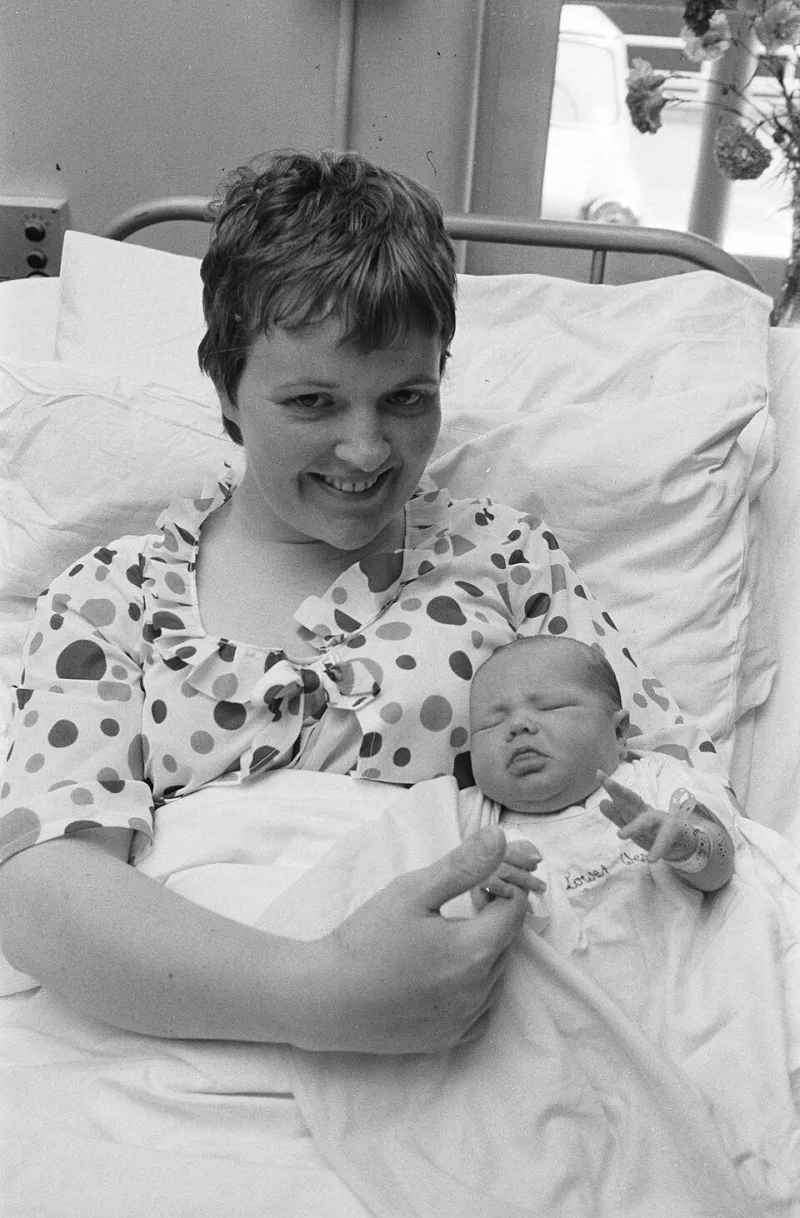
Photo: Geoff Charles, CC BY-SA 4.0, via Wikimedia Commons
Every American parent eventually faces the same moment: standing in a hospital hallway, exhausted, holding a small screaming person, realizing you have roughly forty-eight hours to permanently assign them an identity. Some couples handle this with grace. My wife and I outsourced it to a three-digit number, and I would do it again.
The Methodology (My Mother-in-Law's Word, Not Mine)
Here's how it worked. The Social Security Administration publishes a list of the thousand most popular baby names in America every year. Most parents look at the top ten and pick something safe. I scrolled to position 299. Whatever name sat there — a perfectly pleasant, slightly unusual name that I am legally advised not to print in full, but which rhymes with a small kitchen appliance — became our daughter's name. My wife agreed to this system after I presented it as "a fun experiment," which is the same language I used to convince her to let 299 plan our road trip, and it worked about as well as you'd expect.
Then there was the hospital. We were assigned room 299. I did not request this. The universe simply handed it over, like a dealer sliding chips toward a gambler who has already lost his car. I took it as a sign. My mother-in-law took it as evidence of a mental breakdown she had been predicting since 2019.
The Numerology Escalation
It got worse, or better, depending on your tolerance for coincidence. The due date math worked out to a 2, a 9, and a 9 if you add the month, day, and year separately. The delivery nurse's badge number ended in 299. The parking garage ticket, I swear on my life, was stamped 0299. By hour six of labor, I was pointing these things out to strangers, and my wife was asking them to sedate me instead of her.
This is the part I want to defend, though. Americans gamify everything. We have fantasy leagues for childbirth-adjacent events. We bet on the weather. We turned choosing a pizza topping into an algorithm. Why should the name — the single longest-lasting decision a parent makes, outlasting college, marriages, and every car they'll ever own — be exempt from the great American tradition of letting chance make the call?
The Fallout
My mother-in-law heard the name and left the hospital. Not the room. The hospital. She drove forty minutes home, texted my wife a paragraph containing the phrase "your father would never," and has since communicated exclusively through my wife, in the manner of a hostile nation routing diplomacy through a neutral embassy.
But here's the thing she's missing: the name is fine. It's actually more than fine. It's distinctive without being a legal liability. Nobody in her kindergarten class shares it. It doesn't rhyme with anything cruel. A baby name book would have given her an Emma or an Olivia, and she'd be one of four in every classroom until 2040. The 299th-ranked name gave her something better: a story. Every time someone asks about it, she gets to say "my dad let a number choose it," and watch their face do something wonderful.
Verdict From the Number Itself
Random chance is not worse than a baby name book. A baby name book is just someone else's randomness with a glossy cover. At least 299 was honest about having no taste, no agenda, and no opinion about my late father-in-law. The number didn't care about tradition. It didn't care about the neighbor's dog named the same thing. It simply sat there, being 299, indifferent and perfect.
The baby is thriving. The mother-in-law will come around, probably around the 299th day of the silence. And if you're expecting and paralyzed by choice, I have a suggestion. It's three digits long, and it has never once let me down — well, except the road trip. And the fund. And the dice weekend. But the baby? The baby was a win.